Why The Asian-American History Lesson in Oscar Nominated Train Dream should Not be Lost in Silence
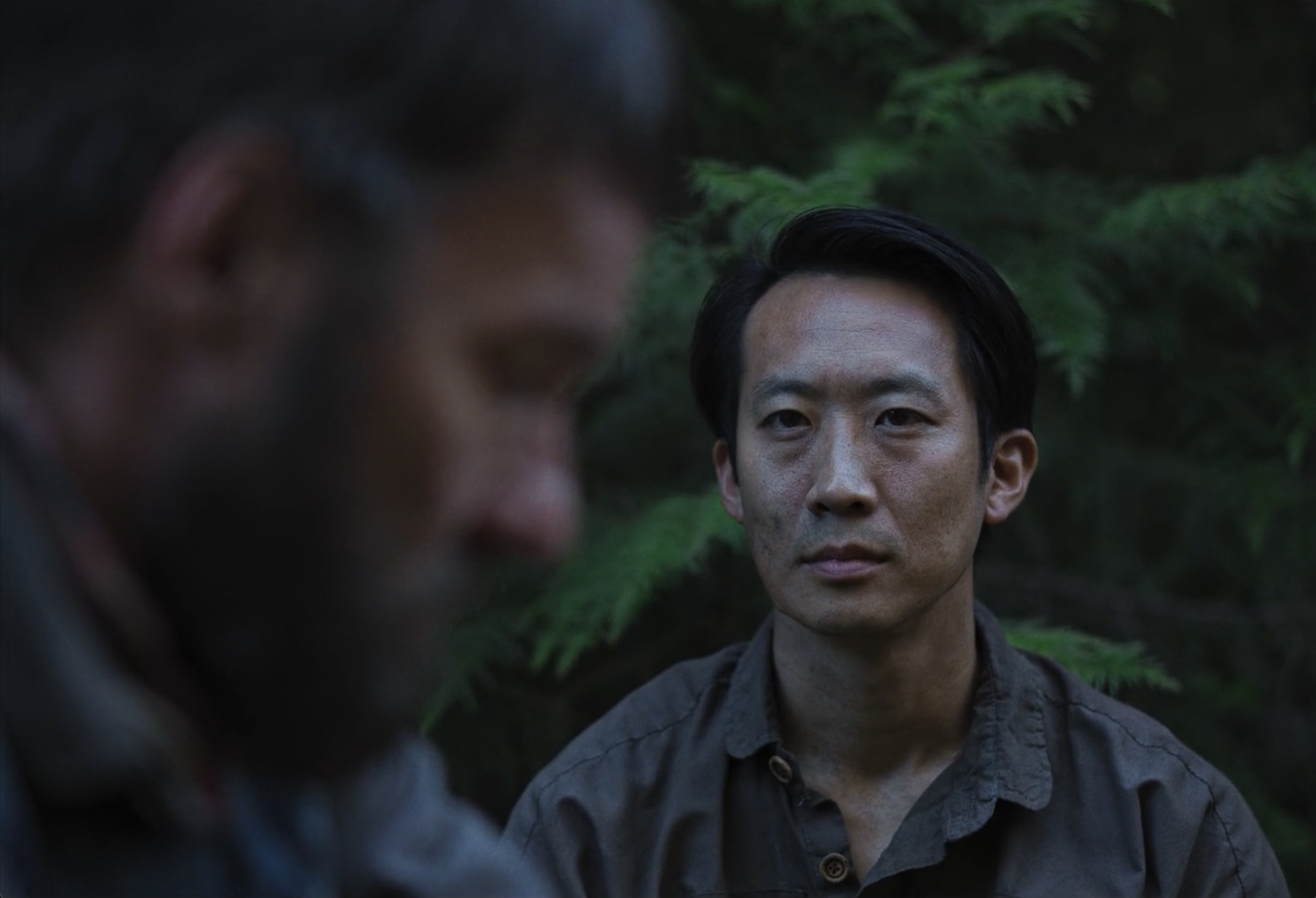
This year one of the quieter films to receive an Academy Awards nomination for Best Picture is Train Dreams. Amidst the refined acting of Joel Edgerton, the beautiful cinematography of Adolpho Veloso, and the poetic storytelling of Clint Bentley lies a story that has been left relatively silent amidst the talking points leading up to this awards season.
That story is the acknowledgment of the silent erasure of the Chinese immigrant contribution to American history. This storyline is not shoved in our faces, but we witness it through the protagonist Robert Grainier as something that existed in that point of history. The involvement of Grainier even briefly lifting the Chinese laborer, Fu Sheng 福生 (played by Alfred Hsing), to assist the mob for just a second and then further doing nothing to stand up against them as Fu Sheng is murdered sits with Grainier for the rest of his life. As much as it would be ideal to say this is purely an acknowledgement of the past, this story set in the early 1900s parallels stories happening with immigrants in America today– the silent erasure of immigrant contributions, the unjust scapegoating toward immigrant communities, and sometimes violent acts committed against them.
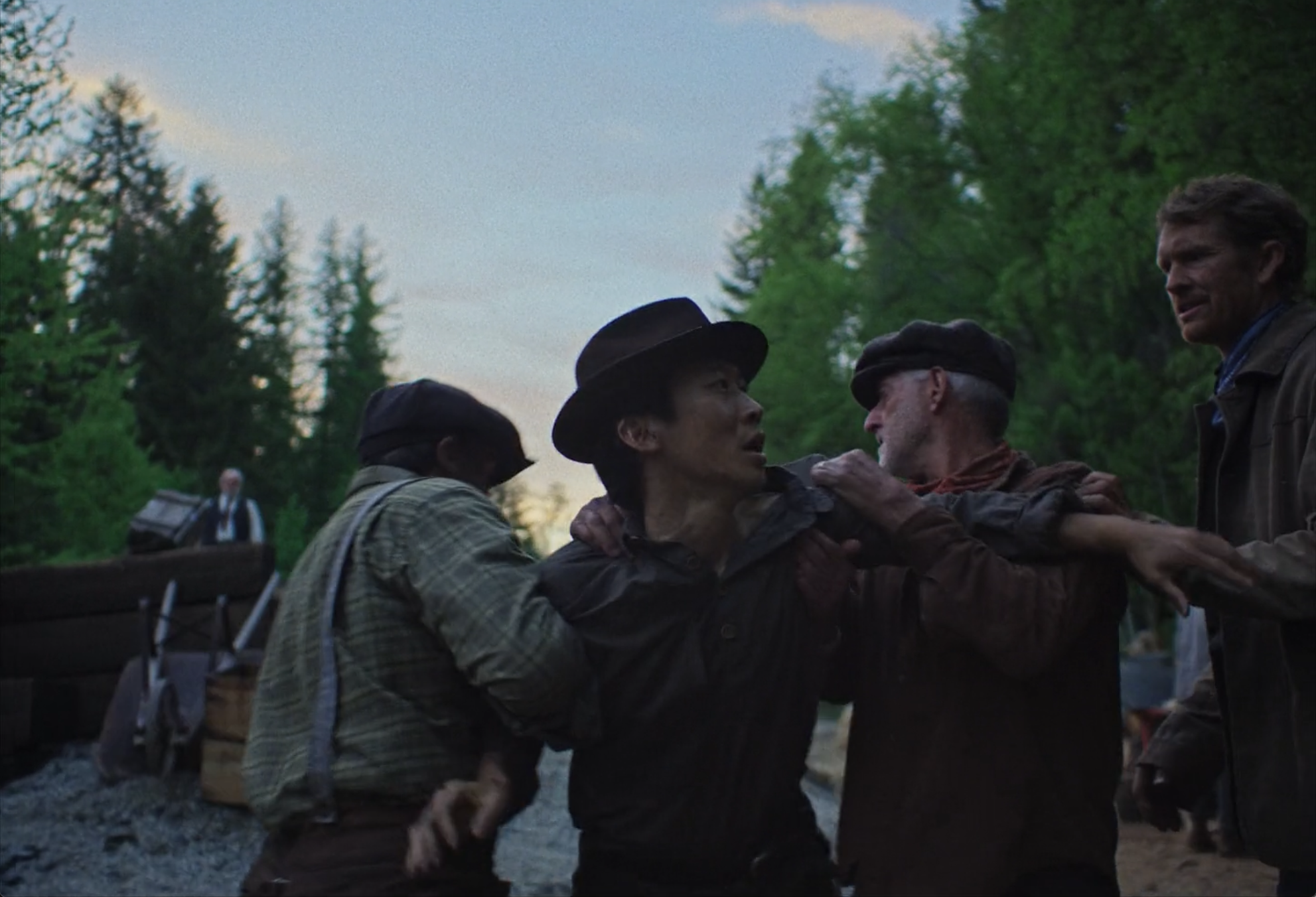
Though Fu Sheng is a character on screen, in reality thousands of Chinese were victims of violence and murder. One of the largest mass lynchings in US history occurred in the original Chinese Quarter of Los Angeles on October 24, 1871, and left at least 18 Chinese immigrants dead at the hands of a mob.
Among the dead were Dr. Chee Long Tong (Gene Tong) a popular physician and herbalist said to be in his 30s and Ah Loo, a 15 year old boy who just arrived from China a week before the massacre. Members of the mob entered Tong’s apartment dragged out Tong, his wife, and a boarder Chang Wan. The mob took the two men up New High Street to the gate of an old corral. Two other Chinese men already dangled there, half-naked in the moonlight. Tong begged his captors to spare him, but someone in the crowd shot him in the head and he was strung up. Witnesses recalled that the mob hauled Tong’s body up and down, smacking his head repeatedly against the gate’s crossbeam. According to most accounts, eighteen Chinese men were killed, about ten per cent of the Chinese population of the city.
Although the massacre had been carried out in front of hundreds of people, witnesses repeatedly failed to identify any members of the mob. Eventually 25 indictments for murder were issued, but fewer than 10 men were convicted of manslaughter. Those convictions were soon overturned on technicalities and no one ever served more than a few months of prison time. Although it was one of the most severe incidents of racist violence in US history and one of the largest massacres of Asians on US soil, the incident was covered up and largely unacknowledged until the 21st century.
For Asian-American representation and stories being told today- in a year filled with cinematic excellence, the Oscar’s shortlist is still proportionately devoid of Asian faces on screen this year, which makes this historical recognition in Train Dreams with an American actor of Chinese descent on screen all the more significant.

Current events report that government officials in Congress have called for greater restrictions on Chinese students entering American universities. As the US and Chinese governments are vying for global dominance it’s important to be conscious of what has happened in history and how quickly things can change. The Chinese Exclusion Act was signed into law on May 6, 1882 and was the first significant US law to restrict immigration based on race and nationality, banning all Chinese laborers from entering the country. It prohibited Chinese residents from becoming naturalized citizens, forced them to carry identification, and was later extended and made permanent before being repealed in 1943.
Then Chinese were prohibited from owning property through a series of state-level Alien Land Laws that used citizenship status as a proxy for race. Because the Chinese Exclusion Act and the Naturalization Act of 1870 made Chinese immigrants “ineligible for citizenship,” these property laws effectively targeted them without naming them explicitly. Even as recent as 1942 Japanese-Americans were stripped of their property during World War II, specifically following the signing of Executive Order 9066. These were not “illegal” immigrants- these included Japanese-Americans whom were US citizens by birth.
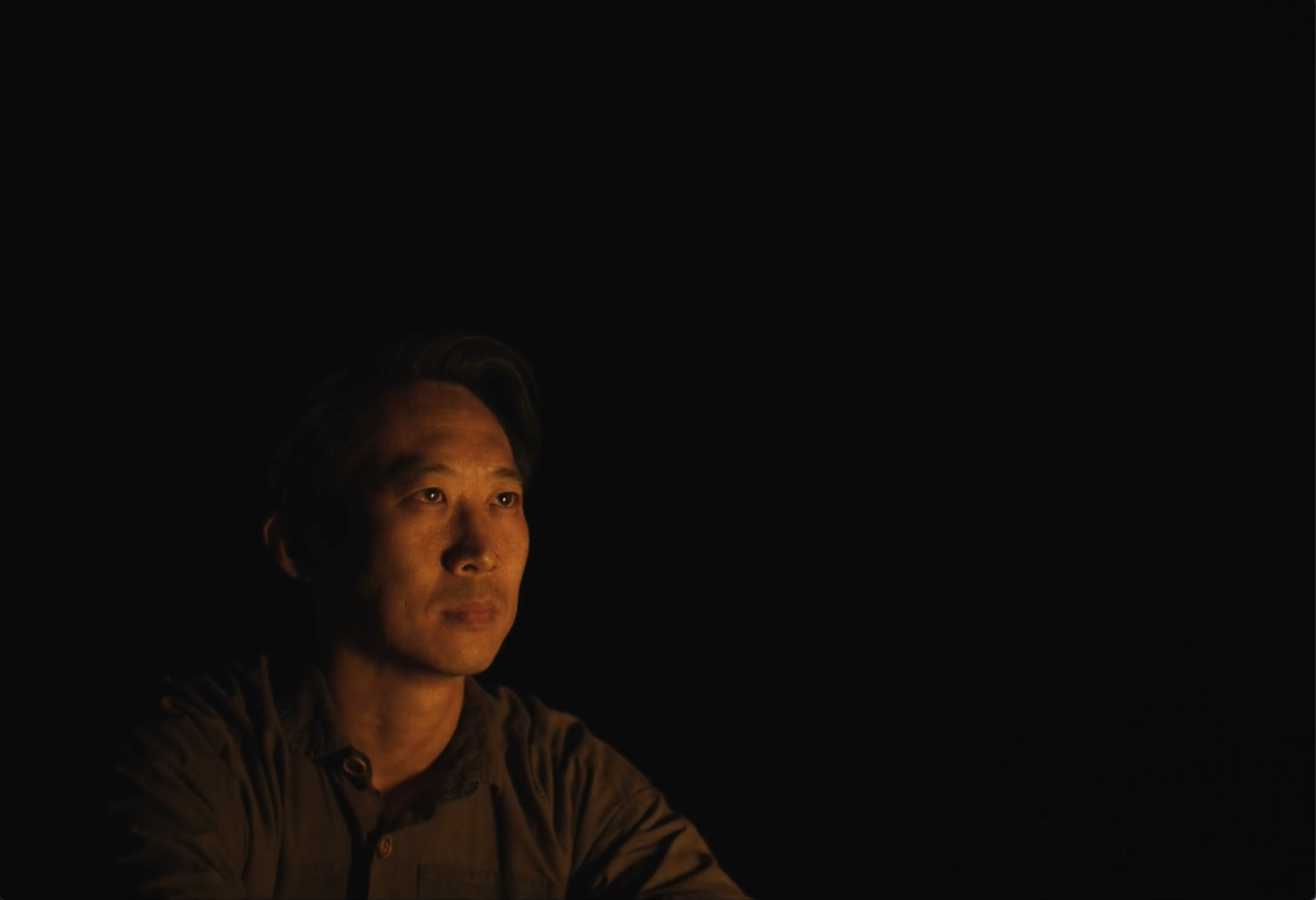
Train Dreams is up for Best Picture, Best Cinematography, Best Adapted Screenplay, and Best Original Song at this year’s 98th Academy Awards. I for one am glad this aspect of history is highlighted in Denis Johnson’s novella Train Dreams and faithfully adapted into the feature film which is getting recognition as one of the best films of the year– hopefully that will also help amplify this part of history and remind us of an important lesson in Asian-American History.
Sources: